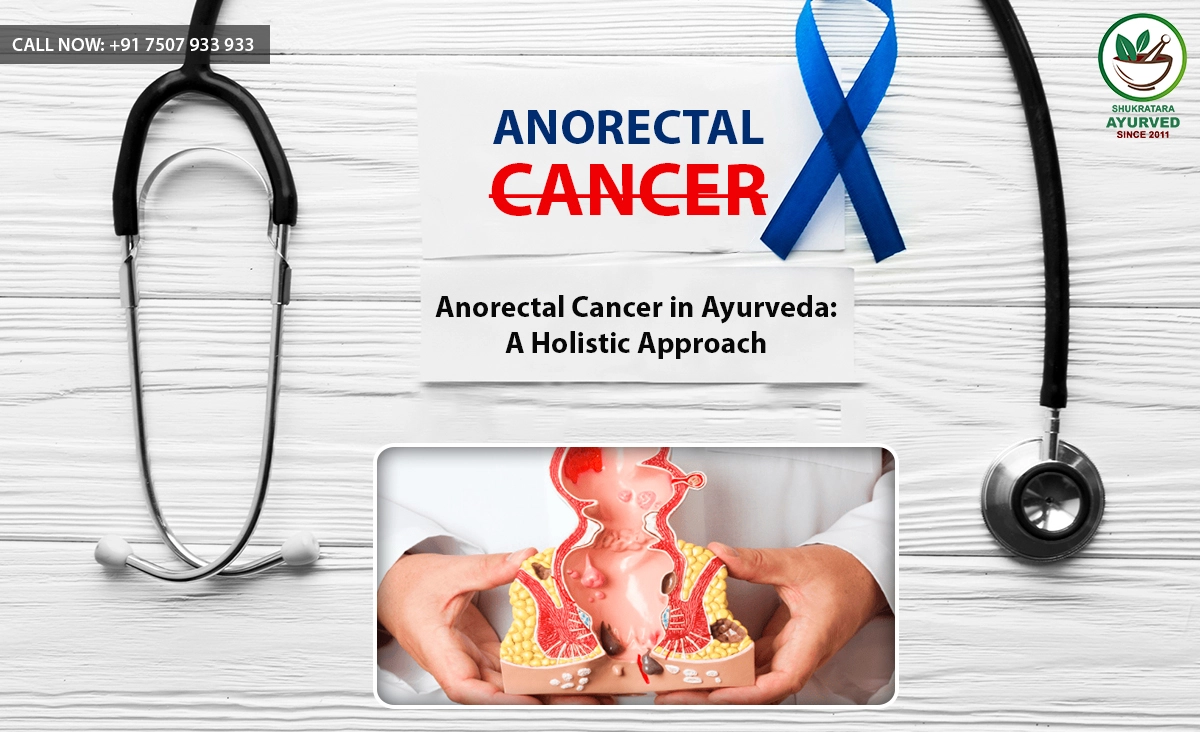

Anorectal cancer, which includes anal and rectal cancer, is a serious condition affecting the lower digestive tract. Modern treatments like surgery, chemotherapy, and radiation are commonly used, but Ayurveda provides a natural and holistic approach to managing this disease. This blog explores Ayurvedic insights, treatments, and lifestyle recommendations for anorectal cancer.
Understanding Anorectal Cancer
Anorectal cancer refers to malignant growths in the anal canal or rectum. Common symptoms include:
- Rectal bleeding
- Pain or pressure in the anal area
- Changes in bowel habits
- Unexplained weight loss
- Fatigue and weakness
Risk factors include chronic inflammation, HPV infection, smoking, and a low-fiber diet. Ayurveda focuses on restoring balance in the body and strengthening the immune system to manage the condition effectively.
Ayurvedic Perspective on Anorectal Cancer
According to Ayurveda, anorectal cancer is linked to an imbalance in the Tridoshas (Vata, Pitta, and Kapha) and the accumulation of toxins (Ama). It falls under Arbuda (malignant tumors) and Granthi (benign tumors). Ayurvedic treatment aims to detoxify the body, boost immunity, and restore harmony through herbal medicines, dietary adjustments, and Panchakarma therapies.
Ayurvedic Treatments for Anorectal Cancer
1. Herbal Remedies
- Ashwagandha (Withania somnifera): Boosts immunity and fights cancer cells.
- Turmeric (Curcuma longa): Contains curcumin, known for its anti-inflammatory and anti-cancer properties.
- Guduchi (Tinospora cordifolia): Detoxifies the body and enhances immunity.
- Neem (Azadirachta indica): Acts as a natural blood purifier with anti-cancer effects.
- Triphala: Promotes digestion and eliminates toxins from the body.
2. Panchakarma Therapy
Panchakarma is an Ayurvedic detoxification therapy that helps cleanse the system and restore balance. Key therapies include:
- Virechana (Purgation Therapy): Removes Pitta-related toxins.
- Basti (Medicated Enema): Effective in balancing Vata and eliminating toxins from the colon.
- Raktamokshana (Blood Purification): Purifies the blood and reduces inflammation.
3. Dietary and Lifestyle Changes
- Consume fiber-rich foods: Whole grains, fresh vegetables, and fruits aid digestion.
- Stay hydrated: Drink warm water to aid bowel movements.
- Avoid processed and spicy foods: These can increase Pitta and cause inflammation.
- Practice Yoga and Meditation: Helps reduce stress and improve overall well-being.
- Avoid smoking and alcohol: These substances accelerate cancer progression.
Preventive Measures in Ayurveda
- Follow a Satvic diet with organic, fresh, and natural foods.
- Engage in regular exercise to maintain a healthy digestive system.
- Use Ayurvedic Rasayanas (rejuvenating herbs) to strengthen immunity.
- Detoxify the body regularly using herbal decoctions and Triphala.
Conclusion
Ayurveda provides a holistic and natural approach to managing anorectal cancer by addressing the root cause, boosting immunity, and improving overall health. Consulting a qualified Ayurvedic practitioner is essential for personalized treatment. Connect Dr Chaitali Tushar Shelar and Dr. Tushar Hemant Shelar on +91 7507 933 933 and get your treatment done with the help of renowned Ayurvedic Practice. By integrating Ayurvedic principles with a healthy lifestyle, one can enhance the quality of life and support the body’s natural healing process.